
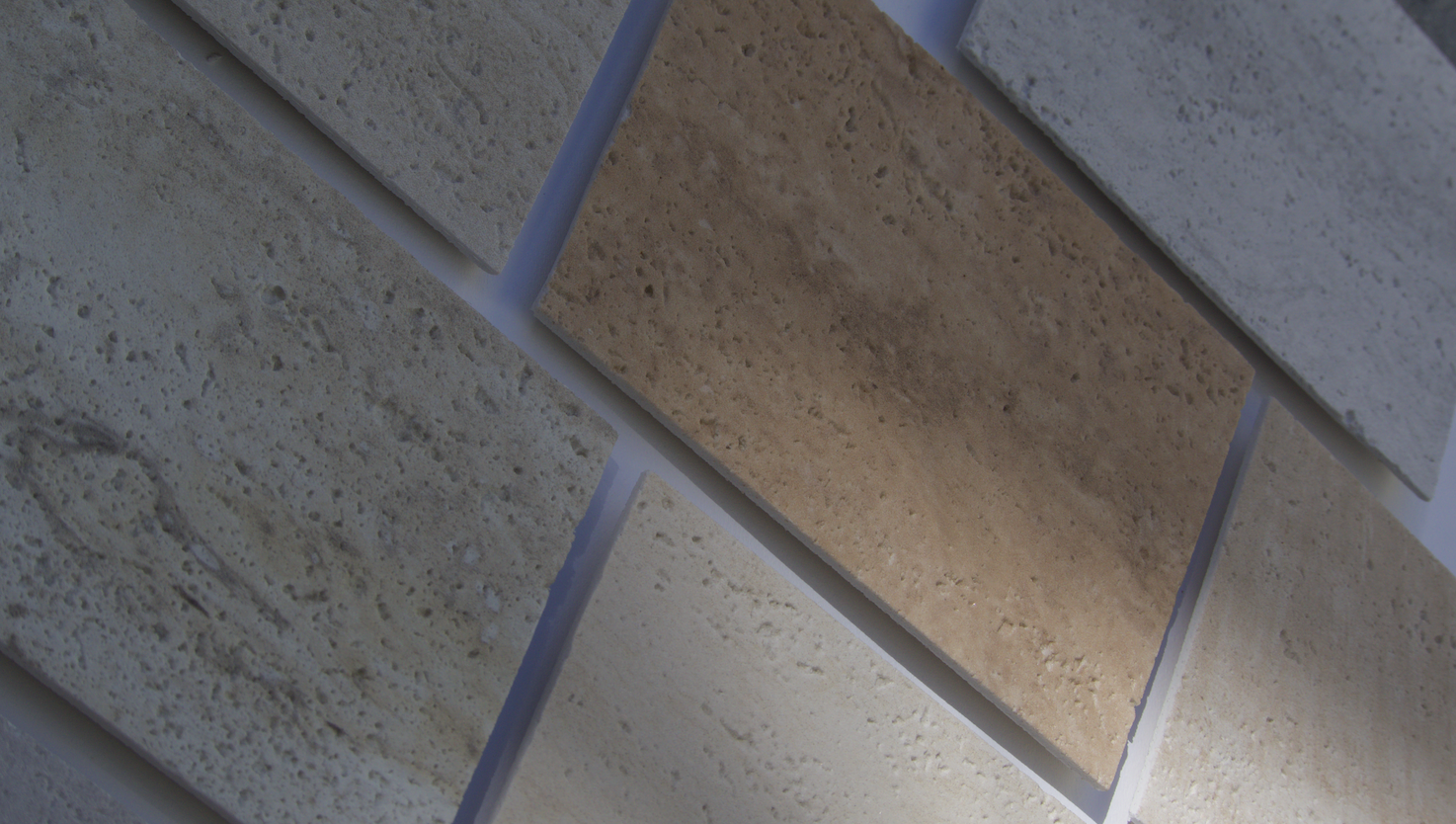
Choosing your Panels
See how easy it is to install
Choosing your Format
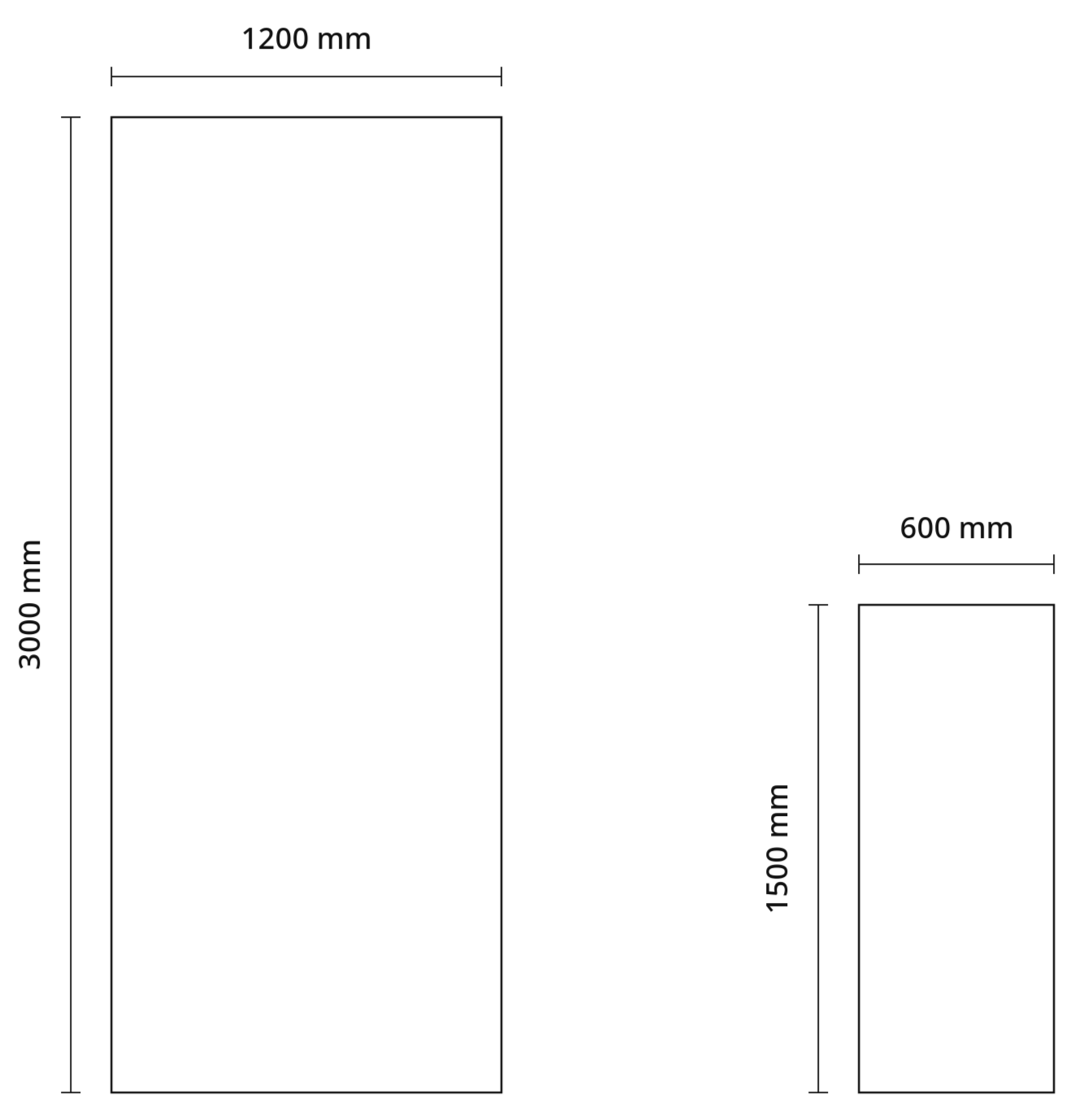
3000 × 1200 mm | Large Format | 3.6 m²
Best for larger surfaces with minimal joins.
Fewer joins: Creates a more continuous finish, with less interruption to the natural stone pattern.
Full-height coverage: Ideal for expansive feature walls where a single panel can span the full wall height.
Less cutting: Can reduce the number of individual pieces required for larger installations.
Handling considerations: Requires more space to transport, manoeuvre and position during installation.
1500 × 600 mm | Small Format | 0.9 m²
Best for versatile layouts and easier installation.
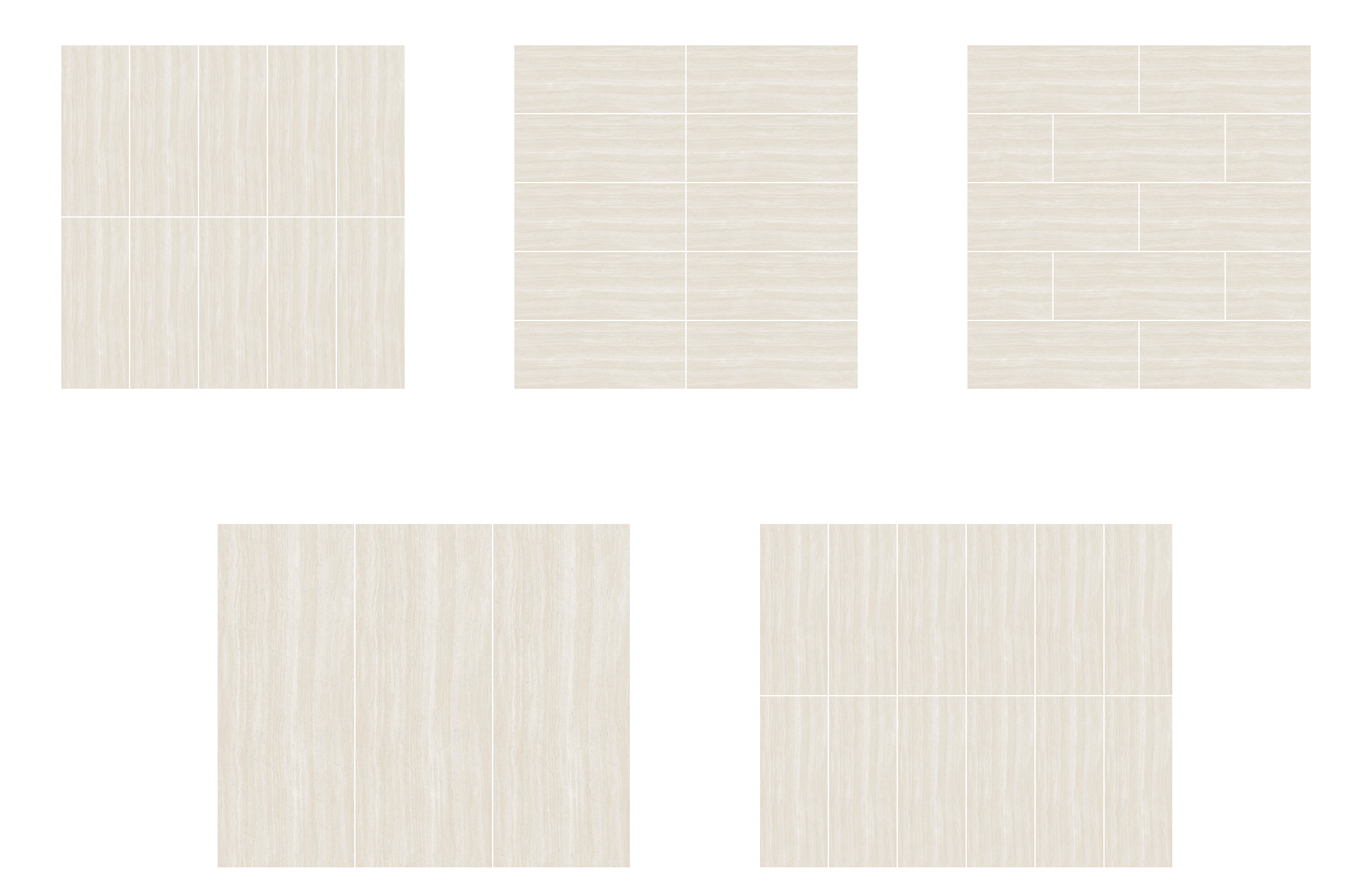
Versatile layouts: Arrange panels horizontally, vertically or in staggered patterns to suit your space.
Easier installation: More manageable to handle, position and adjust, particularly for smaller installation teams.
Efficient material use: Greater flexibility when cutting around openings, joinery and architectural details, potentially reducing offcuts.
Site access: Smaller panels are easier to bring into properties with narrow entrances, stairwells or limited space.
Panel Layout Options
Minimum Curve Radius
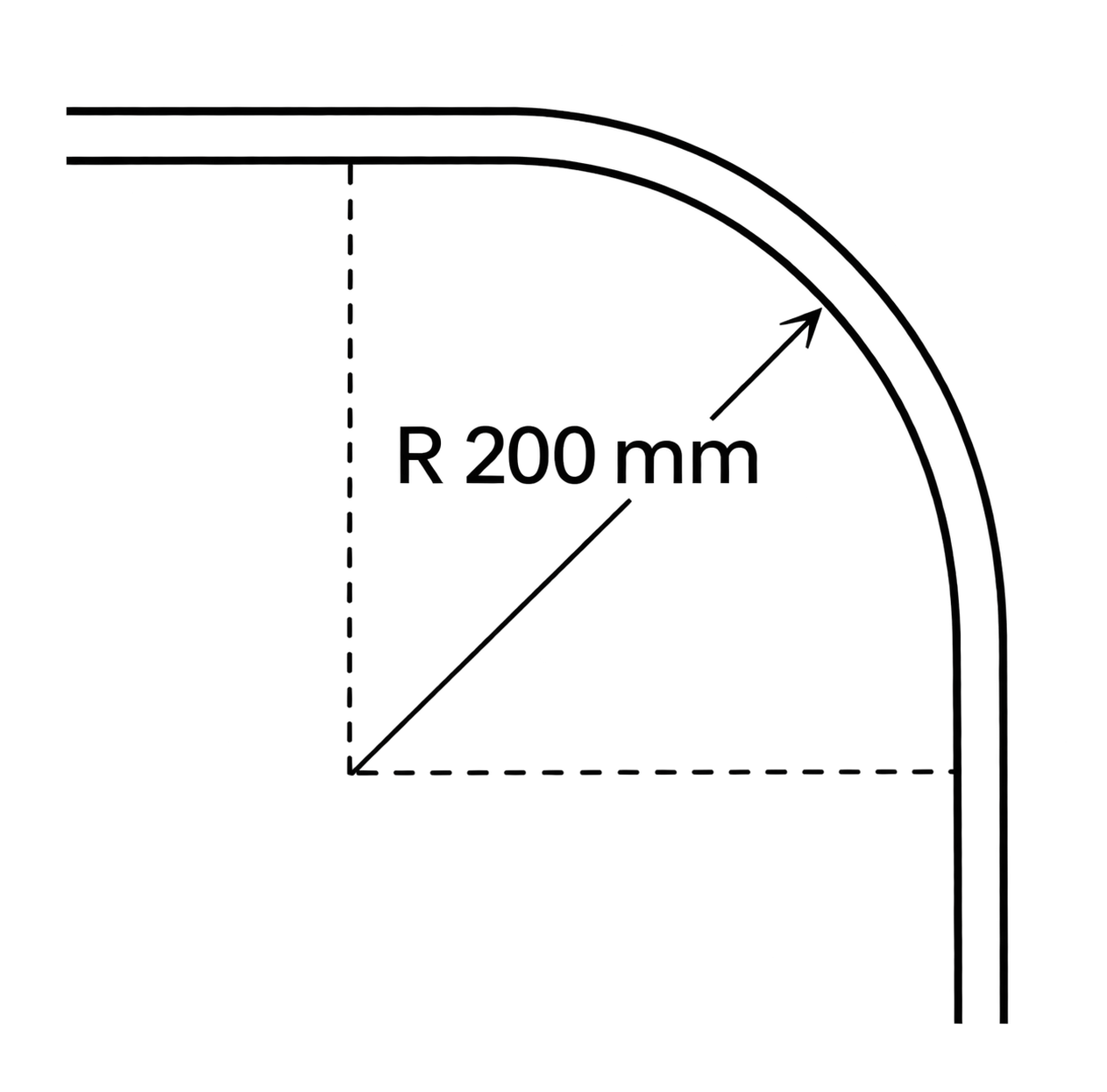
MAG. flexible stone panels can be used across rounded corners, columns and curved surfaces, creating a continuous stone finish without the need for multiple narrow sections.
Minimum curve radius: 200 mm
When planning a curved installation, consider the shape and condition of the surface, along with the direction and positioning of the panels. A smooth, stable substrate is essential for an even finish.
Gently flexing the panel back and forth before installation can help make it more pliable and easier to work around curved surfaces. For tighter curves, we recommend testing the flexibility of the full-size panel against the intended surface before installation to ensure it can follow the curve without excessive stress or damage.
Adhesive suitability and installation requirements should also be confirmed, particularly for curved or more complex applications.